


Landscape Design in North Texas

Art That Grows creates custom landscape designs tailored to North Texas climate, soil, and lifestyle.
Designing a landscape in North Texas requires more than choosing plants. Between extreme heat, clay soil, and drainage challenges, success starts with a plan.
This plan may include the entire external area of the home, or individually, front, side, and back yards, gardens, and outdoor living areas such as patios, decks, and arbors.
At Art That Grows, we create landscapes that are functional, durable, and visually striking—built specifically for homeowners across Dallas and surrounding communities.

Our Landscape Design Approach
Understanding Your Property
-
Home style, materials, and layout
-
Sun and shade exposure
-
Soil and drainage conditions
-
Nearby homes, structures, and surroundings
We also encourage homeowners to gather inspiration photos and ideas before starting the design process.


Collaborative Planning
This is where together we define essential elements of the landscape design.
-
Goals and preferences
-
Plant and color selections
-
Seasonal interest
-
Budget and timeline
We use your property plat to create a precise landscape plan, where every tree, shrub, and plant is mapped and referenced directly to your project estimate.
Detailed Design & Site Plan
We create a complete landscape plan that includes:
-
Layout
-
Plant selection
-
Soil preparation
-
Irrigation & Drainage
-
Hardscape features
All of the elements of your landscape design are included in the detailed site plan. The process is detailed but flexible to accommadate changes should they ocurr.

10 Steps to your North Texas Landscape Design
1. Understand Your Environment (North Texas Reality)
Before planting anything, you need to work with the climate—not against it.
Key factors:
-
Hot summers (100°F+)
-
Clay-heavy soil (poor drainage)
-
Periodic drought + sudden heavy rain
-
Shade vs. intense sun exposure
What that means:
-
Choose drought-tolerant and heat-resistant plants
-
Improve soil drainage early
-
Plan irrigation intentionally (not reactively)
We understand the North Texas environment and will help you make the best decisions when selecting your trees, shrubs, and plants.

2. Plan Your Landscape Design First
Don't plant yet—design first

Break you yard into zones::
-
Full sun (6–8+ hrs)
-
Partial shade
-
Full shade
-
High drainage vs. low drainage areas
Include:
-
Trees (long-term structure)
-
Lawn areas
-
Garden beds
-
Hardscaping (patios, walkways arbors, fences, kitchens)
Think in layers:
-
Tall (trees)
-
Mid (shrubs)
-
Low (ground cover)
Think about the staging of the landscape using the concept of flanking and framing. For example, for the front of your home, plan the components so they decrease in size from the larger items being at the far left and right sides and transitioning in a mix of heights from medium, small, and ground cover plantings. The curbside view will be a harmonious welcome that frames the front entryway for ultimate drive-up appeal.
3. Fix Your Soil
North Texas soil is typically dense clay.
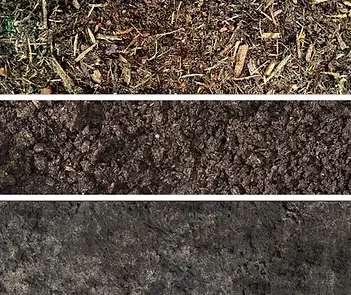
Steps:
-
Top: 3"-4" of mulch
-
Middle: 2"-3" of engineered organic compost
-
Bottom: Tilled/loosened native soil
Goal: Loose, well-draining soil that still holds moisture and is nutrient plentiful.

4. Choose the Right Plants for the Region
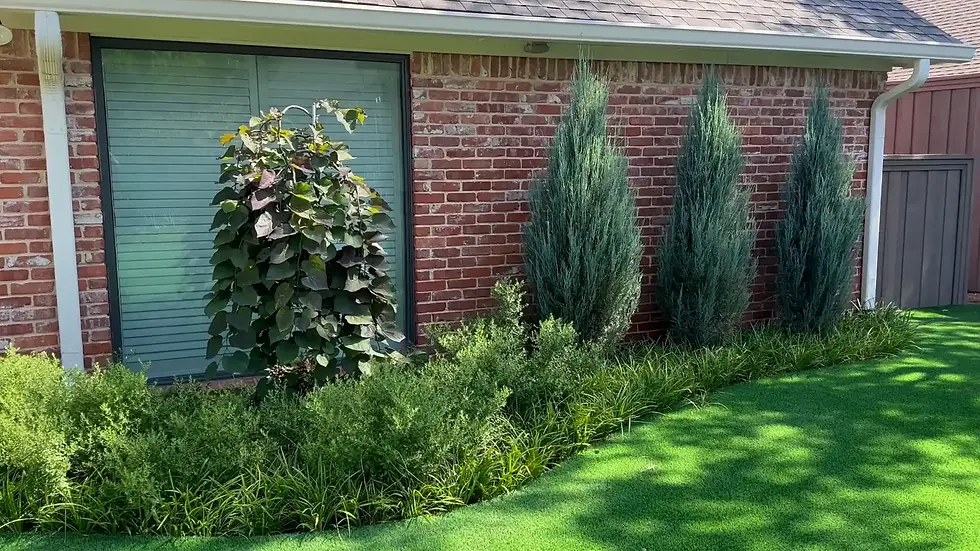
Trees

Trees for North Texas (large):
-
Live Oak: Popular, hardy evergreen for large properties.
-
Red Oak: Fast-growing with deep red fall foliage.
-
Bur Oak: Excellent native tree with high drought tolerance, surviving, a, 200–300 years.
-
Cedar Elm: Highly adaptable, drought-resistant, and ideal for urban areas.
-
Chinquapin Oak: Drought-tolerant with beautiful bronze fall color.
-
Magnolia: The classic choice, featuring large, glossy leaves and fragrant white flowers, highly adapted to the region.
-
Bald Cypress: Excellent for areas with poor drainage or potential flooding.
-
Pecan: The state tree of Texas, offering shade and nuts
Ornamental

Small & Ornamental Trees:
-
Crape Myrtle: A staple for hot, sunny spots with long-lasting summer blooms.
-
Mexican Plum: A small tree with fragrant white flowers in early spring.
-
Texas Mountain Laurel: Evergreen with purple, grape-scented flowers, very drought tolerant.
-
Shantung Maple: A heat-tolerant, smaller maple with good orange-red fall color.
-
Goldenball Leadtree: A fast-growing, small native tree with yellow puffball flowers.
-
Japanese Maple: Deciduous, slow-growing small tree or shrub, cherished for its color and elegant, delicate foliage, and sculptural form.
Evergreens
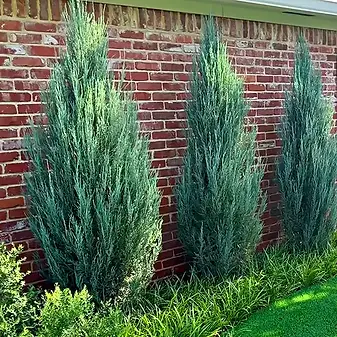
Evergreens (Privacy & Screens):
-
Eastern Red Cedar: A very hardy, native evergreen, perfect for windbreaks.
-
Nellie R. Stevens Holly: A tough, dense, and fast-growing shrub that can be grown as a tree.
-
Little Gem Magnolia: A dwarf magnolia with glossy leaves and fragrant flowers.
-
Upright Juniper: Vertical, compact conical, low-maintenance evergreen that thrives in full sun and well-drained soil.
Avoid
Trees to Avoid in North Texas:
-
Bradford Pear: Prone to splitting in ice storms and short-lived.
-
Ash Species: Highly vulnerable to the emerald ash borer.
-
Leyland Cypress: Susceptible to bagworms and disease in North Texas heat.
-
Silver Maple: Too prone to broken branches.
Tips: Plant trees early—they define your entire landscape over time.
For the best results, plant in fall to allow roots to establish before the harsh summer.

Planting Beds
A planting bed (or garden bed) in a lawn or garden refers to a designated, curated area of soil set aside specifically for growing plants—such as flowers, shrubs, vegetables, or perennials—that is typically separated from the surrounding turf grass. These beds are designed to improve soil quality, group plants for easier maintenance, and enhance the aesthetic appeal of a property by adding texture, color, and structure.
Shrubs
The best shrubs for North Texas must withstand hot, dry summers, alkaline clay soils, and occasional winter freezes. Ideal choices include native, drought-tolerant species and well-adapted non-natives that provide year-round structure.
Top Shrubs for Full Sun (full sun):
These shrubs thrive in 6-8+ hours of direct sunlight, with many being drought-tolerant once established.

-
Texas Sage: Drought-tolerant with silver-gray foliage and lavender/pink blooms after rain.
-
Dwarf Yaupon Holly: A "bulletproof" native evergreen mound, perfect for low hedges.
-
Abelia (especially 'Kaleidoscope' or 'Rose Creek'): Semi-evergreen with colorful foliage and small, white flowers.
-
Nandina (Heavenly Bamboo): Tough, evergreen, or semi-evergreen ranging from dwarf to tall varieties, featuring red fall foliage.
-
Rose of Sharon (Hibiscus syriacus): Deciduous with large, showy summer flowers that tolerate heat and humidity.
-
Red Yucca: Technically a succulent, but acts as a dramatic, low-maintenance evergreen shrub with red/pink blooms.
Top Shrubs for Shade (Part to Full Shade):
These thrive in 2-4 hours of direct sun or bright dappled light, often preferring morning sun and afternoon shade.
-
Turk’s Cap: A versatile, native deciduous shrub with bright red, hibiscus-like flowers that hummingbirds love.
-
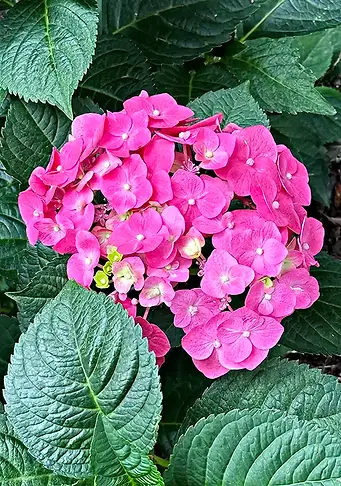
Endless Summer Hydrangea: A tough native with large pink or purple blooms, stunning fall color, and adaptability to shade with morning sun.
-
Oak Leaf Hydrangea: Excellent, tough flowering shrubs, offering white spring blooms, and dramatic red/burgundy fall foliage.
-
Cast Iron Plant: An extremely tough, low-growing, evergreen plant ideal for deep shade.
-
Aucuba: Evergreen with yellow-speckled, glossy leaves that brighten dark, shaded areas.
-
Leatherleaf Mahonia: Evergreen with spiny foliage, yellow winter flowers, and blue berries.
-
Fatsia/Aralia: Large, tropical-looking leaves that thrive in shade.
-
American Beautyberry: Deciduous native shrub featuring bright purple berries in fall.
-
Coralberry: Native shrub with arching stems and pink-purple berries, excellent for dry shade under oaks.
North Texas Shade Tips

-
Afternoon Shade is Key: Many plants labeled for "sun" elsewhere require afternoon shade in North Texas to survive.
-
Soil Preparation: Mix organic matter, such as compost and fine wood mulch, into the soil to improve drainage in heavy clay.
-
Native vs. Non-Native: While many non-natives work, native plants (Yaupon, Turk's Cap, Beautyberry) generally offer better wildlife support and require less maintenance.

Plants
Plants for Texture, Flowers, and Color
For North Texas landscapes, the best plants for texture, flowers, and color in 2026 balance heat/drought tolerance in the sun with shade adaptability in the intense afternoon heat. Top performers include Turk’s Cap (shade/part sun) for vibrant red blooms and Lantana (full sun) for reliable, long-lasting, multi-colored flowers.
Best Plants for Shade & Partial Shade (North Texas)
These plants provide texture and color in low-light or morning-sun areas:

-
Coleus (Sun-tolerant varieties): New 2026 varieties offer bold foliage colors and textures (lime green to dark chocolate) in part-sun to shade.
-
Caladiums: Essential for shady areas; the 'Heart to Heart' or 'Radiance' series provides vibrant pink, red, and white foliage all season.
-
Golden Columbine: A native Texas perennial for partial shade, offering delicate yellow flowers and fern-like foliage.
-
Soft Caress Mahonia: An evergreen with delicate, finely textured foliage and bright yellow flowers, perfect for shade.
-
Holly Fern / Autumn Fern: Provides excellent, reliable evergreen texture in the shade.
-
Begonia: Thrives in shade to part-sun, offering both colorful leaves and flowers.
-
Astilbe (Europa/Peach Blossom): Adds lacy texture and soft, plume-like pink flowers to shaded, moist spots.
Best Plants for Sun & Afternoon Heat (North Texas)
These plants are drought-tolerant and thrive in intense sunlight:

-
Coneflower: Low-maintenance, drought-tolerant perennials that bloom all summer and attract pollinators.
-
Lantana (Bandana/Texas Native): A "must-have" for sunny spots, offering nonstop blooms (red, orange, yellow, pink) from spring until frost.
-
Red Yucca: A tough succulent with architectural, grass-like foliage and spikes of red/yellow flowers.
-
Zinnias (Cactus-flowered/Queeny Series): Fast-growing, colorful annuals that thrive in the heat, adding texture to both beds and vases.
-
Salvia (Autumn Sage/Mexican Bush Sage): Aromatic, heat-tolerant perennials available in red, purple, white, and pink.
-
Pentas (Egyptian Star Clusters): Ideal for attracting butterflies with star-shaped flowers in pink, red, and purple.
-
Black-Eyed Susan: Offers bright yellow daisy-like flowers and textured centers that last from summer through fall.
Best Shrubs for Structure & Color
These plants are drought-tolerant and thrive in intense sunlight:

-
Oak Leaf Hydrangea: Thrives in partial shade, providing huge, textured leaves, white flower plumes, and great fall color.
-
Texas Sage: A native, drought-tolerant, "heat champion" shrub with silvery foliage and vibrant purple flowers.
-
Abelia ('Kaleidoscope'): A small, glossy-leaved shrub with changing leaf color and delicate white flowers.
For maximum success, especially for plants needing shade, focus on providing morning sun and protecting them from the 2 p.m. to 7 p.m. Texas sun.

5. Install Irrigation and Plan Drainage
Do this before final planting.
Irrigation:
-
Drip systems for beds
-
Sprinklers for lawns
Drainage:
-
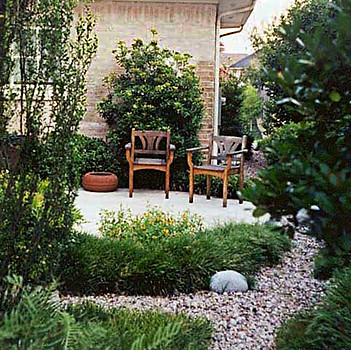
French drains if water pools
-
Use river rock in low spots
Grade yard away from foundation
Goal: loose, well-draining soil that still holds moisture.
Read more about Irrigation &
solving drainage issues.

6. Lawn Installation (If applicable)

This is where many homeowners go wrong.
Lawn

Sun vs Shade Matters:
Pick the right grass for your conditions
-
Shade: St. Augustine grass
-
Full sun: Bermuda grass
-
Flexible: Zoysia grass
Timing:
-
Late spring to early summer is ideal
For more informatioin:
Artificial Grass

A viable option for North Texas:
-
Stays green year-round
-
Maintains manicured appearance
-
Requires no watering
-
Holds up well in extreme heat
-
Low maintenance
-
Great for children's play areas and pets

7. Ground Cover
Ground cover can be thought of as a decorative option and as lawn replacements. We typically think of ground cover as spreading, low height plants confined to specific areas. The most popular are Liriope, Mondo Grass, and Asian Jasmine. While this is true, there are many varieties, both low height and slightly taller, suited for the North Texas heat, drought, and clay soil conditions.

Traditional and well-liked ground cover:
-
Liriope
-
Mondo grass
-
Asian jasmine - dense mat, sun an shade, requires trimming to within areas
Spacing matters:
-
Too wide → weeds
-
Too tight → overcrowding
Creative ground cover options:
-
Horseherb - shade-tolerant groundcover in the daisy family, excellent for Asian jasmine
-
Texas Frogfruit - often overlooked but can be a valuable groundcover
-
Various Sedges
-
Silver Ponyfoot
-
Webberville Sedge - maintains grass look
-
Missouri Violet-Woolly or Viola -low-growing perennial blooms from April to August
-
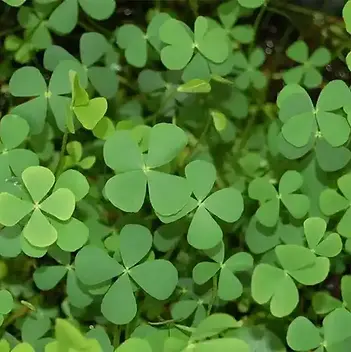
Clover Fern-A quick-growing and unusual fern whose fronds look just like perfect four-leaf clovers
-
Ferns - Come in a variety of height and sizes
-
Trailing Lantana - Low growing, sprawling with flowers
Top Choices by Site Conditon
-
Shade-Tolerant: Horseherb, Pigeonberry, Cedar Sedge, Mondo Grass, and Asian Jasmine are excellent in shady spots.
-
Full Sun: Texas Frogfruit, Silver Ponyfoot, Creeping Juniper, Prostrate Rosemary, and Trailing Lantana thrive in hot, sunny locations.

8. Add Hardscaping & Finishing Touches


Options:
-
Flagstone stepping stone pathways
-
Flagstone precision cut pathways
-
Flagstone patios- in a variety of shapes
-
Stamped concrete patios
-
Stone edging
-
Rock gardens
-
Rock river flows
-
Ornamental rocks and boulders
-
Stone and brick pavers (Pavestone)
-
Stone and brick walls
-
Wood screens
-
Stone and wood fences
Read more about hardscaping options.
Structure brings everything together.

9. Mulch


How much to add:
Apply 2-3 inches in early spring or fall, using brown for natural looks, black to boost soil heat/color contrast, and red for vibrancy.
Top Types of Mulch:
-
Shredded Hardwood (Organic): Excellent for weed control as it locks together; good for sloped areas.
-
Pine Bark Nuggets (Organic): Best for gardens and trees; lasts longer than shredded wood.
-
Pine Needles (Organic): Excellent for acidic-loving plants (e.g., azaleas); allows water to reach soil.
-
Compost/Leaf Mold (Organic): Best for improving soil fertility in vegetable beds.
-
Stone/Gravel (Inorganic): Ideal for xeriscaping, cacti, and permanent, low-maintenance landscapes.
-
Rubber Mulch (Inorganic): Long-lasting but does not improve soil; best for playgrounds.
Mulch Colors and Effects:
-
Brown: Natural look, works well with all greens and landscapes.
-
Black: Retains heat best (ideal for cool climates), creates sharp contrast, and makes bright flowers stand out.
-
Red: Adds high contrast and vibrancy; best for lighter-toned homes or as a feature.
-
Natural/Light Wood: Reflects heat, keeping soil cooler in hot climate.
See some important considerations to follow from Art That Grows when preparing your garden for planting and your lawn for healthy growth at...
Lawn and Garden Tips. Also see: 10 Soil Preparation Essentials
Choose based on climate and plant needs to retain moisture and suppress weeds.

10. Maintenance Routine (Keep it thriving)


Watering:
-
Deep, infrequent watering is best
Fertilizing:
-
Spring + fall
Pruning:
-
Trim shrubs regularly
-
Crepe myrtles: late winter
Pest control:
-
Watch for grubs and insects early
See: Lawn and Garden Tips
10 Soil Preparation Essentials
Summer Watering Guide
How to keep your Lawn and Garden Thriving
Related Services
Discover more about how landscaping components integrate into your overall landscape design.
What's Next?
Let's Discuss Your Art That Grows
We'd love to hear from you to tell us about your landscaping plans that you have right now, or how you'd like to plan for the future. Please use the adjacent form or call us at 214-987-0006.
Do you know?
How do I start landscaping my yard from scratch?
Start by planning your layout, identifying sun and shade areas, improving soil, and then selecting plants suited to your conditions.
What is the best grass for North Texas?
Bermuda grass is best for full sun, St. Augustine works well in shade, and Zoysia is a good balance of both.
When is the best time to plant trees in Texas?
Fall is the best time because roots can establish before summer heat arrives.
What plants do well in shade in Texas?
Ferns, cast iron plants, and shade-tolerant ground covers perform well in low-light areas.
How do I fix drainage issues in my yard?
Solutions include grading, French drains, and adding materials like gravel or river rock.